

Beauty Filter Fight: States and Meta Clash Over Where to Draw the Line for Teens
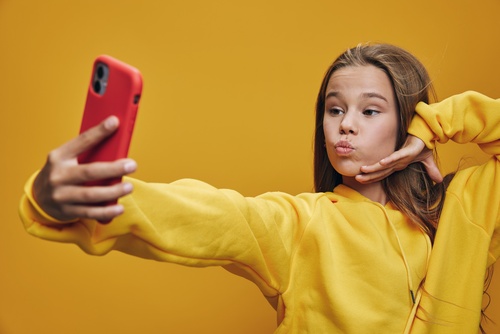
Should Meta be required to ban 'extreme' beauty filters for teen users? Meta agreed in August to a nearly $17 billion settlement with 47 states, Washington D.C., and three territories over its child safety practices, resolving a lawsuit alleging the company designed Instagram and Facebook features that harmed teens' mental health. One clause bans "cosmetic procedure filters" for minors, meaning digital effects that mimic extreme transformations like plastic surgery or heavy makeup, which Meta says it will begin enforcing by early next year. The settlement does not ban all digital effects. Filters that turn users into characters like elves or puppies remain available, as do subtle beautification tools such as skin smoothing or a slight eye glow.
State attorneys general are now nearing the end of a two-month, self-imposed window to send Meta written guidance on exactly what counts as a bannable filter, a line regulators and researchers acknowledge is genuinely hard to draw. A University of Chicago-convened panel of 18 experts previously told Meta that beauty filters can harm teenage girls' mental health, and unredacted court filings allege CEO Mark Zuckerberg personally vetoed an internal 2019 proposal to disable the filters, later telling deputies he had seen "no data" the filters were harmful. Youth advocates like 17-year-old California body image activist Mia Lerner have told reporters that even subtle, less obvious edits can be harder to mentally dismiss than filters that produce an obviously altered look.
What supporters say:
Youth advocates argue filters that are only slightly edited are more psychologically damaging than obvious cosmetic-procedure filters, because they're harder for teens to recognize and dismiss as fake.
Researchers point to Meta's own internal expert panel, which flagged beauty filters as harmful to teen girls years before the company acted, as evidence the company knew the risk and delayed anyway.
What critics say:
Tech policy and free-speech groups, including the Center for Democracy and Technology, argue the settlement restricts content protected by the First Amendment and pressures the wider industry into government-directed product design.
Some critics note the settlement exempts "subtle" effects like skin smoothing even though research cited in the case suggests those effects can be just as damaging as the extreme ones being banned, which undercuts the policy's own logic.
What's your take?
Should Meta be required to ban 'extreme' beauty filters for teen users? Yes  No
 Other

Sources:
#TeenSafety #Meta #SocialMedia #BodyImage
Now let's hear from you.
You get one Take and 3 ratings so use them well.
Strong arguments beat loud ones. See Moving The Needle (How to)
Don't forget to rate your own Take.
Please don't feed the trolls.





The real problem is that "subtle" filters, the ones this settlement leaves alone, might do just as much damage as the extreme ones getting banned. A line that doesn't actually track the harm it's supposed to prevent isn't much of a solution.