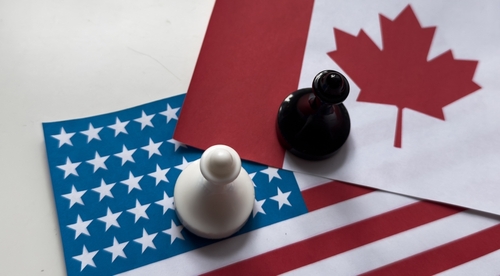
Trump's Ban on Canadian Dairy, Alcohol and Motorcycles Takes Effect as Trade War Escalates
The Trump administration's ban on a targeted list of Canadian imports took effect at 12:01 a.m. Tuesday, barring certain dairy products, alcoholic beverages, motorcycles and mopeds from entering the United States. The banned goods carry an annualized trade value of just under $1 billion, a small fraction of the roughly $880 billion in yearly trade between the two countries, but the move marks a new escalation in a monthslong trade dispute.
President Trump first announced the restrictions on September 8, alongside a separate move extending the existing 50 percent Section 338 tariff to dozens of additional Canadian products, including steel, aluminum, furniture and paper, effective September 15. U.S. Trade Representative Jamieson Greer said the actions respond to Canada's "continued discriminatory treatment" of American exports across alcohol, dairy and vehicles. Canada has already imposed roughly $20 billion in retaliatory tariffs on U.S. goods, mirroring the scale of the earlier U.S. levies on Canadian products.
Trump told reporters Monday he expects a "fair deal" with Canada in the coming weeks, while continuing to argue Ottawa needs Washington more than the reverse. Canadian officials have said they won't sign an agreement they consider unfair, leaving the two sides at an impasse even as the newly banned goods start getting turned away at the border.
What supporters say:
The ban targets categories where Canada has limited access to the U.S. market anyway, meaning it applies pressure without major disruption to the broader $880 billion trading relationship.
Backers argue it's a direct response to what the administration calls discriminatory Canadian trade practices, and that consequences are needed to bring Ottawa back to the table.
Some domestic dairy, alcohol and motorcycle producers stand to gain a competitive edge in categories where Canadian goods previously had a foothold.
What critics say:
Democrats argue the ban undercuts Trump's own affordability promises, since economists say retailers typically pass tariff costs on to consumers.
The move escalates a trade fight with one of America's largest trading partners just weeks before the midterm elections, giving Democrats a ready-made line of attack.
Because the new Section 338 tariffs don't exempt goods that qualify under the USMCA trade agreement, critics say more integrated supply chains are now exposed than in earlier rounds of tariffs.
What's your take?
Was banning these Canadian dairy, alcohol and motorcycle imports the right move? Yes  No
No  Other
Other 
Sources:
Axios: Trump bans some Canadian imports as North America trade war intensifies
The White House: Proclamation excluding certain Canadian alcoholic beverages from importation
#Tariffs #USCanadaTrade #TradeWar #Trump #Economy
Now let's hear from you.
You get one Take and 3 ratings so use them well.
Strong arguments beat loud ones. See Moving The Needle (How to)
Don't forget to rate your own Take.
Please don't feed the trolls.