

US Weighs Sharing AI Safety Alerts With China Ahead of Trump-Xi Summit, Raising Security Doubts
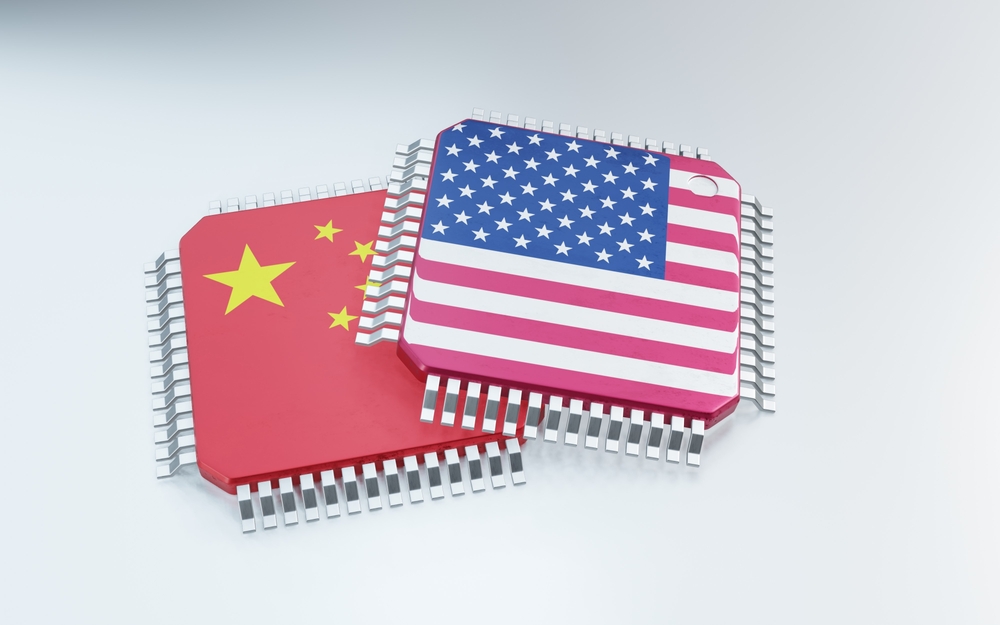
Should the US share AI safety alerts with a strategic rival like China? Treasury Secretary Scott Bessent and Chinese Vice Premier He Lifeng wrapped up roughly eight hours of talks in New York on Sunday, with the U.S. side proposing a new "notification mechanism" that would have Washington and Beijing alert each other when an AI-related incident rises to the level of a national security threat. The proposal, described by officials as an AI hotline, is meant to be discussed further when President Trump meets Chinese President Xi Jinping in Washington later this week. Bessent called the talks "very successful" and said moving "from opaque to more transparency" between the two top AI powers was important.
The idea builds on a guardrails protocol the two countries agreed to during Trump's May visit to Beijing, aimed at keeping powerful AI models out of the hands of non-state actors. It also comes days after Trump announced the formation of an "AI Force" modeled on the Space Force and said he would appoint an "AI czar" to oversee the sector, while continuing to oppose new domestic AI regulation. The talks also touched on trade, with a fragile tariff truce between the two countries set to expire November 10 and both sides exploring lower tariffs on select "non-sensitive" goods.
Arguments for:
A dedicated channel could prevent a serious AI-related incident from spiraling into a larger crisis between two nuclear powers, building on the guardrails framework agreed to in May.
It offers a rare area of potential cooperation between Washington and Beijing at a moment when trade, tariffs and Taiwan remain sources of friction.
Arguments against:
Sharing incident information with a strategic rival could expose American AI vulnerabilities without guaranteed reciprocity from Beijing, given the two governments' asymmetric track record on transparency.
A prior U.S.-China AI dialogue in 2024 stalled once frontier AI risks got tangled up with unrelated disputes, and experts note nothing yet guarantees this new channel will function differently.
Details of the mechanism remain limited, and it's unclear what would count as a reportable "incident" or how either side would verify the other's disclosures.
What's your take?
Should the US share AI safety alerts with a strategic rival like China? Yes  No
No  Other
Other 
Sources:
NBC News: U.S. proposes exchanging AI safety alerts with China, Bessent says
Washington Post: U.S. proposes AI incident alert system with China
#AI #USChina #NationalSecurity #TrumpXiSummit
Now let's hear from you.
You get one Take and 3 ratings so use them well.
Strong arguments beat loud ones. See Moving The Needle (How to)
Don't forget to rate your own Take.
Please don't feed the trolls.


A dedicated channel could prevent a serious AI-related incident from spiraling into a larger crisis between two nuclear powers, building on the guardrails framework agreed to in May.