Tip Fatigue Hits a Breaking Point as Americans Rethink Whether Tipping Culture Should End
Should the US move away from tipping toward built-in service charges and higher base wages for workers? A new wave of survey data suggests American tipping culture has hit a breaking point. A Popmenu study released in April found 78 percent of consumers now describe tipping practices as "ridiculous" and 44 percent say they're tipping less than the year before, with the sharpest pullback in restaurants, where 35 percent of respondents say they've scaled back. A separate WalletHub survey found nearly 9 in 10 Americans think tipping culture has gotten out of control, and 83 percent want automatic service charges banned altogether.
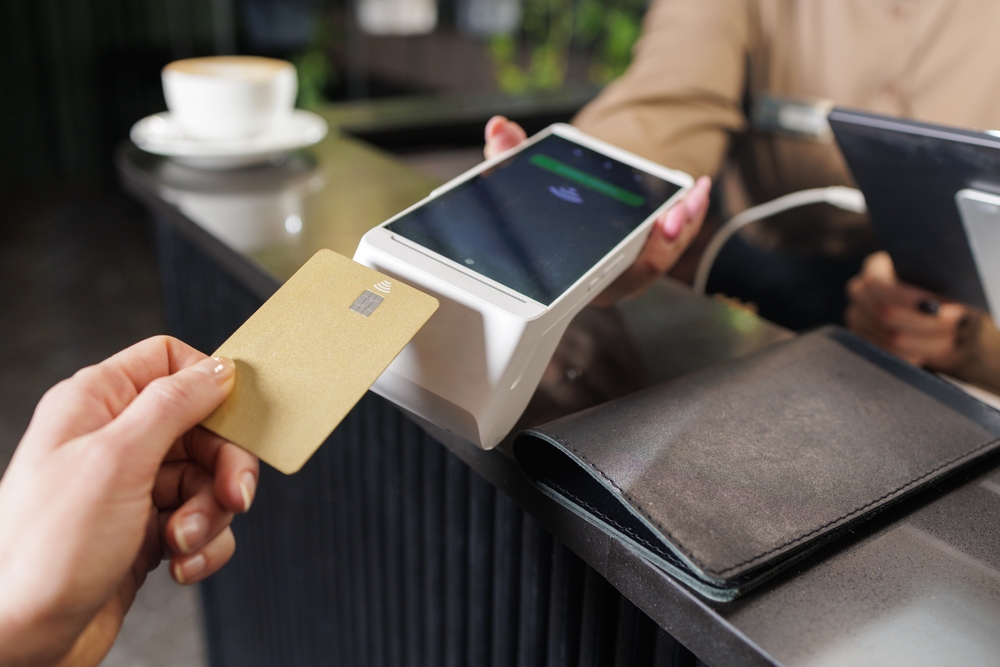
Much of the frustration centers on digital point-of-sale screens, which increasingly default to suggested tips starting at 18 to 20 percent, sometimes before any service has been provided. Pew Research Center data shows how unevenly tipping habits are actually applied: 92 percent of Americans say they always or often tip at sit-down restaurants, but only 25 percent regularly tip at coffee shops and just 12 percent at fast-casual restaurants without table service. Meanwhile, transaction data from payment platform Square shows average tips on digital food and beverage purchases slipping even as prompts to tip have spread into more corners of retail and service industries.
The debate isn't only about generosity. Roughly three in five Americans surveyed by WalletHub believe businesses are using tips to replace wages employers should be paying directly, reviving a long-running argument over whether the US should scrap tipping in favor of built-in service charges and higher base pay, a model already common in much of Europe.
The case for:
Ending discretionary tipping would give service workers predictable income instead of pay that swings with customer mood, time of day, and how busy a shift is.
Folding service costs into listed prices removes the awkwardness of tip screens appearing at coffee counters and fast-casual spots where no table service is provided.
Supporters argue it would stop businesses from effectively offloading part of the wage bill onto customers through preset suggested tip percentages.
The case against:
Full-service restaurant servers often out-earn workers on flat wages, and eliminating tips could mean a pay cut for experienced staff even if menu prices rise to compensate.
A large majority of Americans in WalletHub's own survey, 81 percent, said they'd rather keep tipping voluntary than have it built into a mandatory service charge.
Built-in service fees remove the direct financial incentive for good service, something both restaurant owners and customers say they value at full-service establishments.
What's your take?
Should the US move away from tipping toward built-in service charges and higher base wages for workers? Yes  No
No  Other
Other 
Sources:
#TippingCulture #Restaurants #ServiceIndustry #ConsumerTrends
Now let's hear from you.
You get one Take and 3 ratings so use them well.
Strong arguments beat loud ones. See Moving The Needle (How to)
Don't forget to rate your own Take.
Please don't feed the trolls.