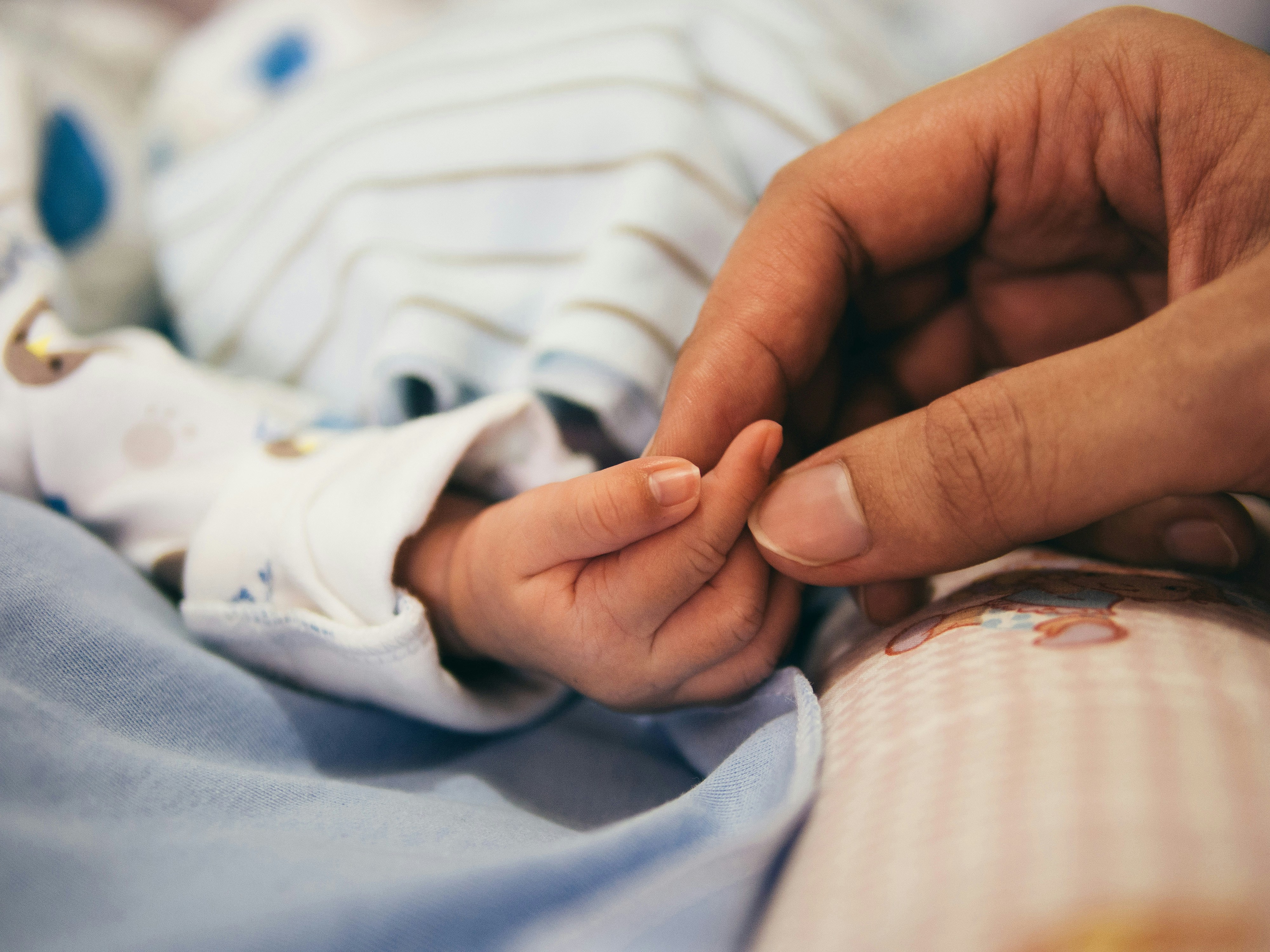
Falling Birth Rates Reignite Debate Over Whether Government Should Try to Reverse the Trend
Should falling birth rates be treated as an urgent problem the government should actively try to reverse? The US total fertility rate has fallen for years and now sits well below the 2.1 births per woman needed to sustain the population without immigration, a trend the Trump administration has responded to with pronatalist proposals including baby bonuses and expanded family tax credits. The push has revived a long-running argument over whether declining birth rates are a policy problem the government should try to fix, or a reflection of personal choices that shouldn't be treated as a crisis.
Demographers note that most of the US decline is driven by falling birth rates among adults under 25, not by people who want children being unable to have them, and survey-based research suggests roughly one in five US adults now identify as childfree by choice. Commentators on both the left and right of the pronatalism debate, from progressive writers to some conservative critics, have pushed back on framing the trend as an imminent population collapse, pointing to countries that tried cash incentives without reversing the decline. Supporters of intervention point to aging populations in Japan and South Korea as a preview of the strain on pensions, healthcare systems and future workforces if the trend continues unaddressed in the US.
The case for:
Aging populations shrink the future tax base and workforce, straining pension and healthcare systems that depend on a growing number of workers, economists warn.
Fertility trends in Japan and South Korea show that once declines take hold, they're difficult to reverse and carry decades-long economic consequences.
Support like paid leave and childcare subsidies addresses real financial barriers to having children, not just personal preference.
The case against:
Roughly one in five US adults identify as childfree by choice, according to demographic researchers, and treating that decision as a problem risks pressuring people who've made a considered choice.
Most of the US fertility decline traces to delayed childbearing among people under 25, not an unmet desire for kids, which undercuts the crisis framing.
Direct cash incentives like baby bonuses have a weak track record of reversing birth rate declines in other countries that have tried them.
What's your take?
Should falling birth rates be treated as an urgent problem the government should actively try to reverse? Yes  No
No  Other
Other 
Sources:
The New Republic: What If Both Sides in the Birth Rate Debate Are Wrong?
Newsroom NZ: Govts' bids to boost birth rates vie with women's choice to be child-free
Michigan Journal of Economics: The Solution to Declining Birth Rates Isn't Pronatalism
#BirthRates #Pronatalism #Demographics #FamilyPolicy #DeeperSubjects
Now let's hear from you.
You get one Take and 3 ratings so use them well.
Strong arguments beat loud ones. See Moving The Needle (How to)
Don't forget to rate your own Take.
Please don't feed the trolls.
Photo credit: aditya-romansa on unsplash