Georgia, Florida and Colorado Schools Pilot Drones Designed to Stop Active Shooters
Schools in Georgia, Florida and Colorado are becoming among the first in the country to install remotely piloted drones designed to respond to active shooters, using technology from a company called Mithril Defense. Five school districts in Georgia and three in Florida are adding the devices, known as Campus Guardian Angel, funded through state grants; a public charter school in Colorado, John Adams Academy, is funding its pilot privately after the county declined to provide $200,000 in support. Florida has put more than $1 million into the broader pilot program over the past two years.
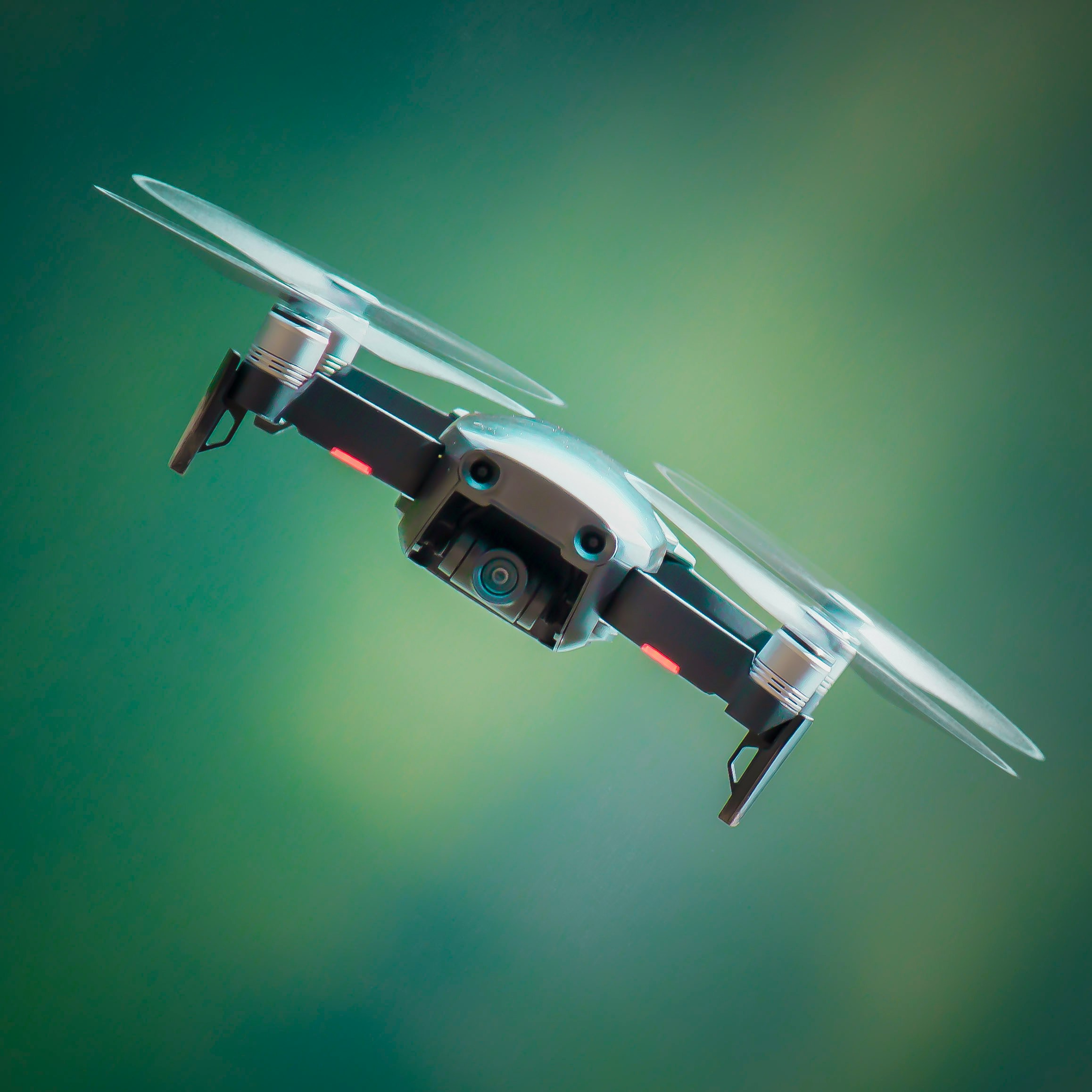
The drones, roughly the size of a pizza box, dock in ballistic boxes mounted in school hallways and launch when staff press an emergency alert button, connecting to professional pilots working from a control room in Austin, Texas. They're designed to reach a shooter within 15 seconds, using high-pitched noise, nonlethal pepper balls and the ability to ram a target at speeds up to 60 miles per hour. The system costs about $20,000 a year for an 80,000-square-foot school, according to the company, which it says is less than the cost of hiring an additional security officer.
Broward County, Florida, home to Marjory Stoneman Douglas High School, where sheriff's deputies waited outside during the 2018 shooting, is among the districts in the pilot program. American schools now spend roughly $4 billion a year on physical security measures like metal detectors and cameras, according to the Learning Policy Institute, as school shootings peaked at 352 incidents in 2023 before easing over the past two years.
Arguments for:
Developers say the drones can reach a shooter in about 15 seconds, addressing documented failures like the 11-minute law enforcement delay at Stoneman Douglas in 2018 and the hour-plus wait at Uvalde in 2022.
At roughly $20,000 a year per school, backers argue the systems cost less than hiring an additional security officer while operating continuously.
Company officials say the drones are meant to work alongside law enforcement, buying critical time rather than replacing officers entirely.
Arguments against:
The technology remains unproven at scale, having only been installed in a handful of pilot schools, and relies on nonlethal tools like pepper balls that critics doubt can reliably stop an armed attacker.
Some argue the money would be better directed at addressing root causes, like mental health resources and gun access, rather than additional hardening measures.
Remotely piloted systems stationed in hallways raise questions about false activations and how drones would distinguish an actual threat from students and staff during a chaotic emergency.
What's your take?
Should schools deploy weaponized drones like these to respond to active shooters? Yes  No
No  Other
Other 
Sources:
#SchoolSafety #Drones #EdTech #GunViolencePrevention
Now let's hear from you.
You get one Take and 3 ratings so use them well.
Strong arguments beat loud ones. See Moving The Needle (How to)
Don't forget to rate your own Take.
Please don't feed the trolls.
Photo credit: jonathan-lampel on unsplash