No-Tip Restaurants Gain Ground as Diners Say Tipping Culture Has Spiraled Out of Control
Should more restaurants ditch tipping for an all-inclusive, no-tip pricing model?
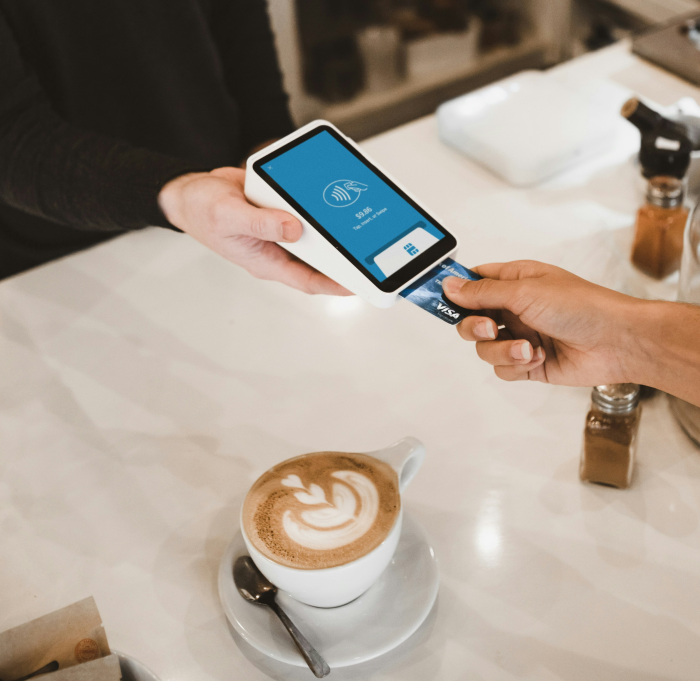
A small but growing number of US restaurants are ditching tipping altogether. La Cigale in San Francisco has adopted a no-tip model that builds labor costs directly into menu prices, with owner Joseph Magidow arguing the approach removes the "unpredictability and perverse incentives" of the traditional tipped-wage system for staff while giving diners a clearer final bill. The shift comes amid what's widely being called "tip creep," the spread of tip prompts to self-serve counters, takeout coffee and even Airbnb stays.
A WalletHub survey found nearly 9 in 10 Americans believe tipping culture has gotten out of control, and more than half say they sometimes tip mainly out of social pressure rather than satisfaction with service. Payment platform Toast's Q1 2026 data shows average tip percentages have dipped below 15 percent at many restaurants even as clear social benchmarks persist. This summer's FIFA World Cup added another wrinkle, exposing international visitors unfamiliar with America's tipped-wage system to confusion over the difference between voluntary tips and mandatory service charges that can run 15 to 22 percent.
The debate has a new financial layer too. The 2025 One Big Beautiful Bill Act created a federal deduction letting tipped workers write off up to $25,000 in tip income on their taxes, a benefit that workers at restaurants using service charges instead of tips generally don't get, creating a growing divide between the two pay models within the same industry.
The case for:
Diners get upfront price transparency instead of surprise math or awkward tablet moments when the check arrives.
Workers get more predictable income instead of depending on a customer's mood or generosity on any given night.
It avoids the new tax disparity where tipped workers get a federal deduction that service-charge employees at no-tip restaurants don't receive.
The case against:
Servers who go above and beyond lose the upside of a bigger tip for great service under a flat wage or blanket service-charge model.
Service charges aren't always passed on to staff the way tips are, and rules on how they must be distributed vary confusingly by state.
Habitual tippers may still leave an extra tip on top of a service charge, effectively paying twice and defeating the point of the switch.
What's your take?
Should more restaurants ditch tipping for an all-inclusive, no-tip pricing model? Yes  No
No  Other
Other 
Sources:
#TippingCulture #Restaurants #ServiceIndustry #DiningOut
Now let's hear from you.
You get one Take and 3 ratings so use them well.
Strong arguments beat loud ones.
Don't forget to rate your own Take.
Please don't feed the trolls.
Photo credit - Clay Banks on Unsplash